I tried lazy-prompting an event poster that isn't slop. It didn't work.
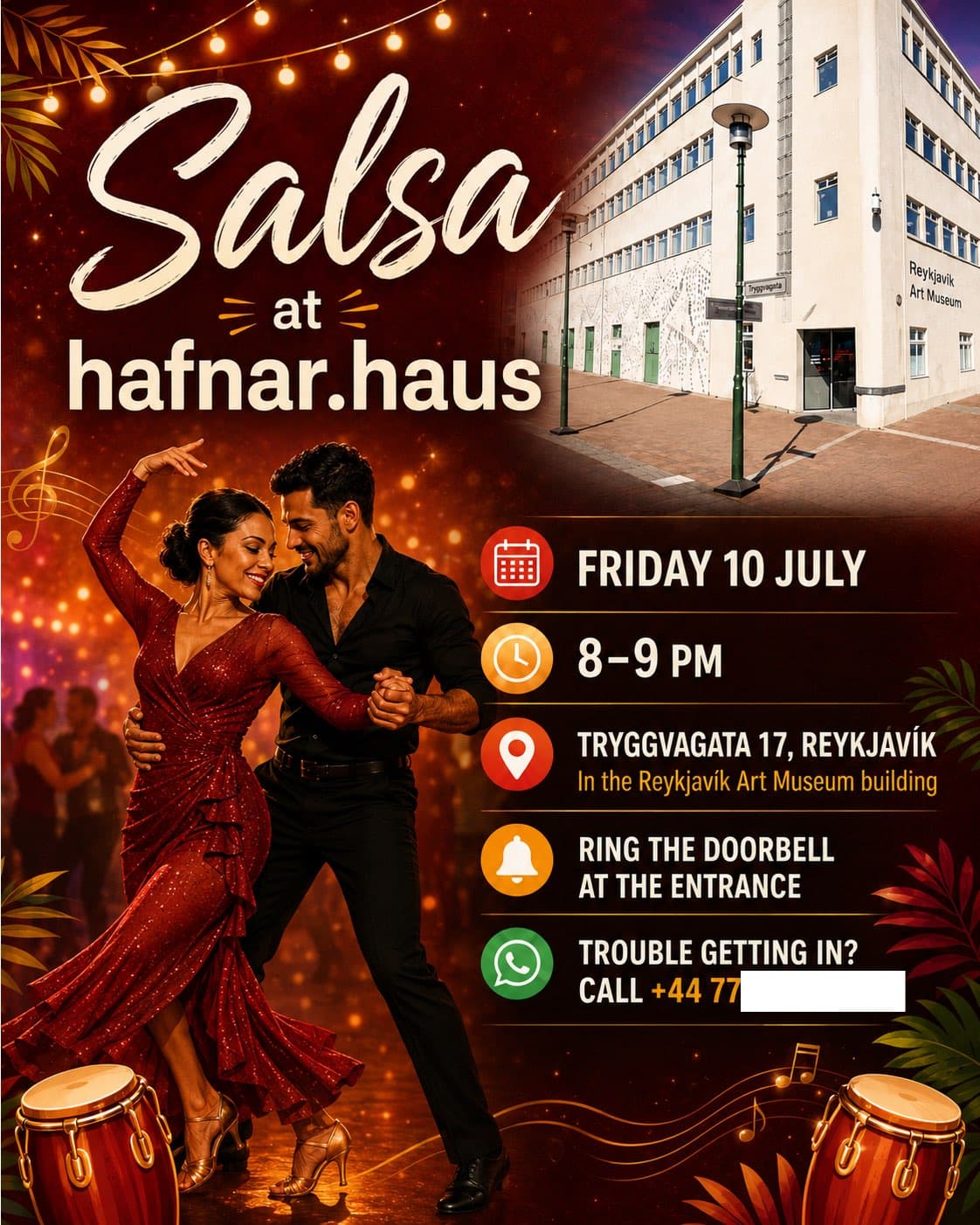
The great thing about last week’s slop poster is that I got a first draft with just 10 seconds of lazy-prompting:
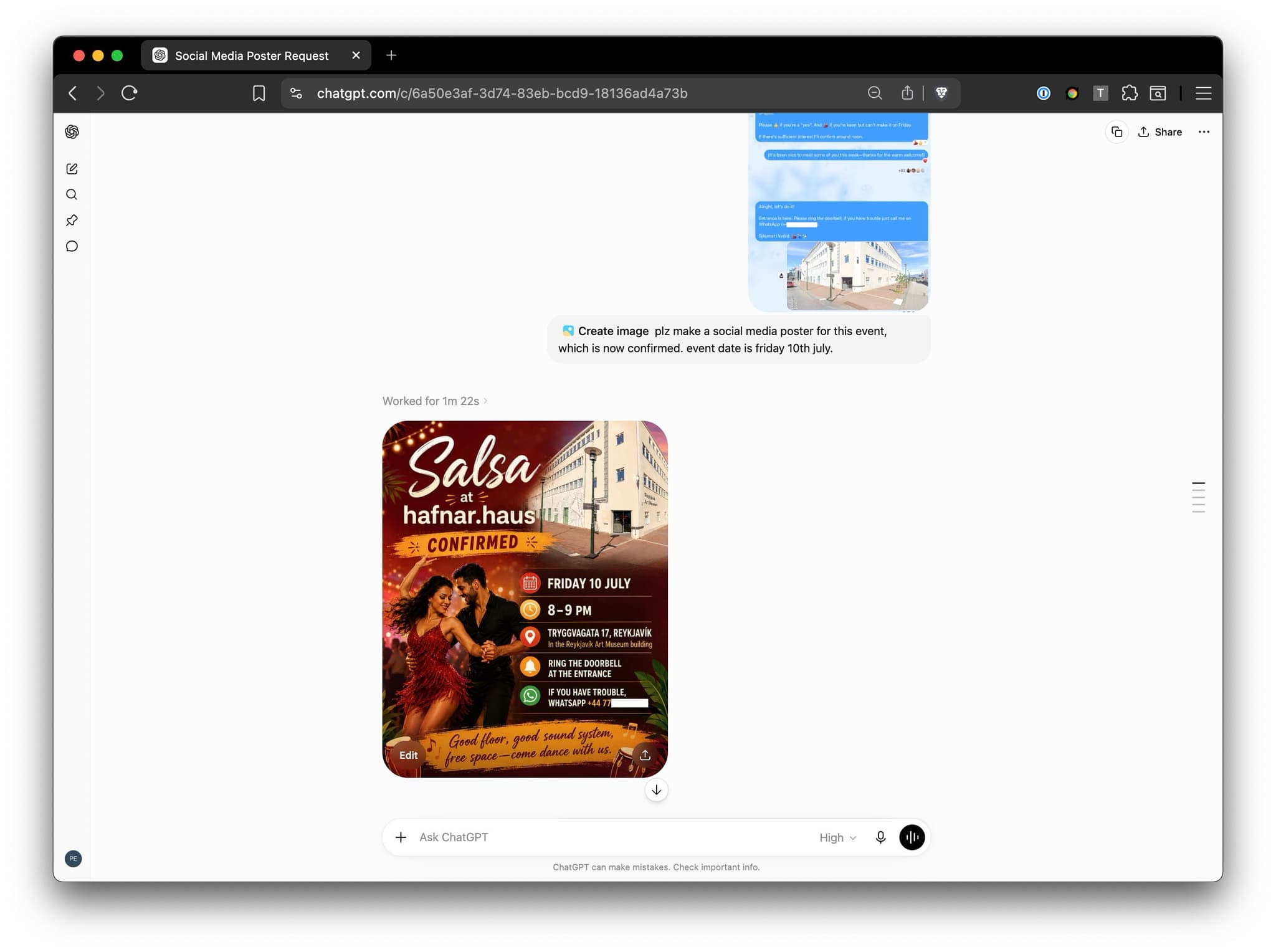
Can I get a non-slop poster with a prompt that’s nearly as lazy as this? I tried asking Fable 5 and Sol 5.6:
so i made a salsa event poster recently, blog post here: https://wow.pjh.is/journal/social-media-image-generation
i’d like to make a poster for the next edition of this event, which is on friday 17th july.
this time, though, i’d like us to make a unique, beautiful, artistically excellent poster--not generic slop.
please make this happen, with no further input from me. try extremely hard with several rounds of self-critique and iteration. deliver three outstanding posters, each of which takes a very different creative direction, that are ready to publish.
if you think it’d make sense to consult guidelines from https://www.tasteskill.dev/ or other anti-slop skills, please do so.
fine to spend up to $50. i’m happy to help with api key or account creation if needed.
In short:
The results from this prompt were terrible.
Both models spent barely any time on “figure out the best process for achieving this difficult goal”, so they omitted a critical step: find the best image generation model for the task.
Neither model independently realised that, as part of “non-slop”, the design needs to reference details unique to the event (e.g. the community, the location). Simply editing the text should not mean that the poster works for any salsa event in the world.
After switching to higher effort, more directive prompting, I found that:
Fable and Sol were ok at assessing the artistic merit of image model outputs, but not good enough. That was the key bottleneck.
OpenAI
gpt-image-2greatly outperformed the other image models we tried (Nano Banana Pro, Ideogram 3, Seedream 5 Pro, Imagen 4 Ultra, Flux 1.1 Pro).Iterating via prompting is great at the ideation stage, but horrible for fixing certain kinds of details (e.g. slight misalignment of elements; inconsistencies in border widths). Simple prompts like “fix the spacing” or “polish the details” don’t work, and nor do more specific instructions (they’re a pain to write, trigger a 1-2 minute wait for regeneration, and often fail). I ended up editing manually with Canva Magic Layers.
Text editing just works with
gpt-image-2. Other elements usually stay entirely unchanged between generations.
For comparison: last week’s slop
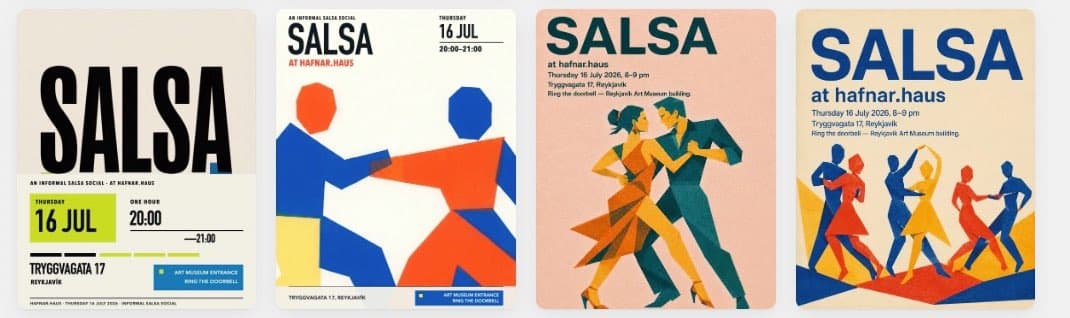
Highly autonomous AI attempts at not-slop
The most impressive drafts, given fairly low-effort non-directive prompting, were these (all from gpt-image-2):
The least impressive drafts came from one of the Fable iterations. It ended up drawing posters in HTML and presenting these as “excellent” and ready for prime time:
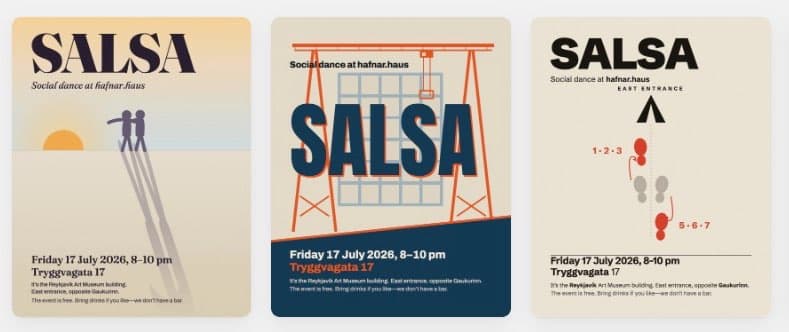
Both Fable and Sol know some things about what good looks like, but not enough. Or perhaps they’re just being lazy.
Input from me leads to not-quite-slop
After several rounds of generic outputs, I cracked and decided to be more directive.
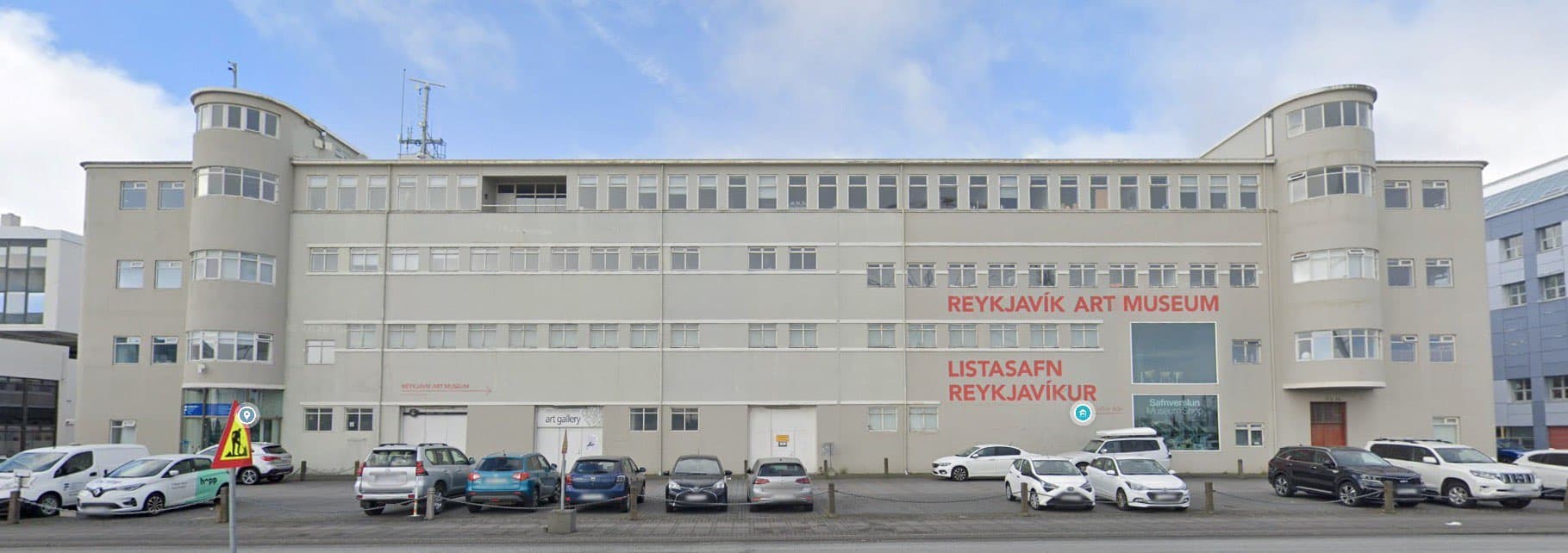
I asked Fable to make a line-drawing of the venue building, based on this screenshot from Google Street View:
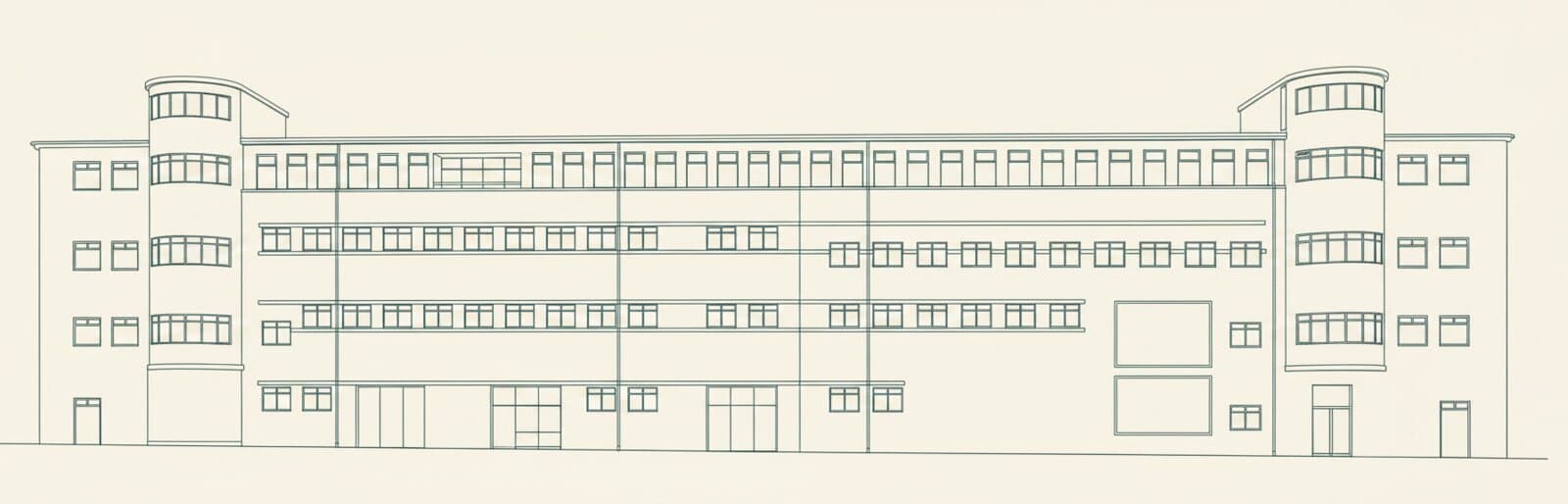
Good result (Fable used Nano Banana 2):
I gave these to gpt-image-2, and this led to the basis of the final poster:
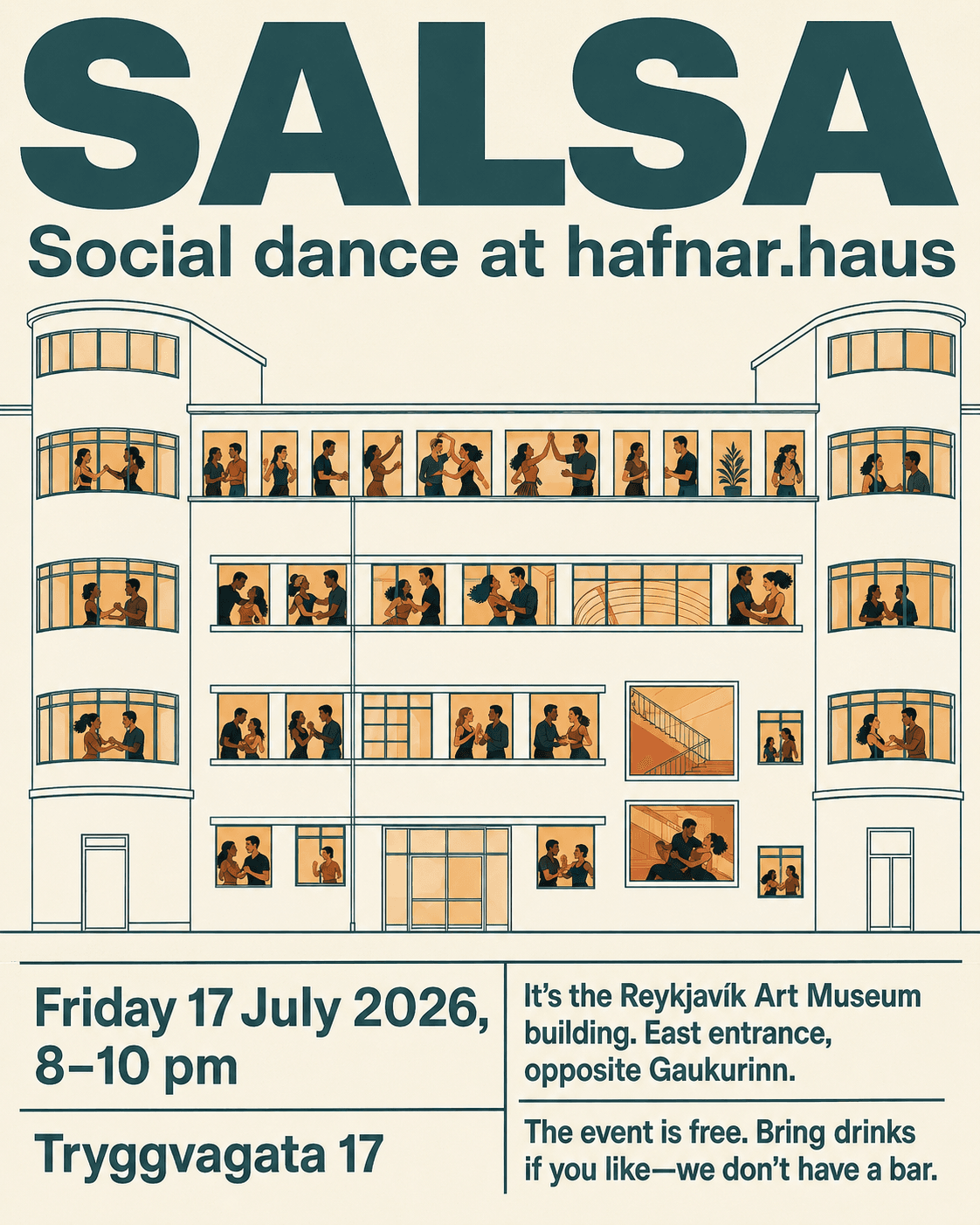
The final version, after some manual editing on my part:
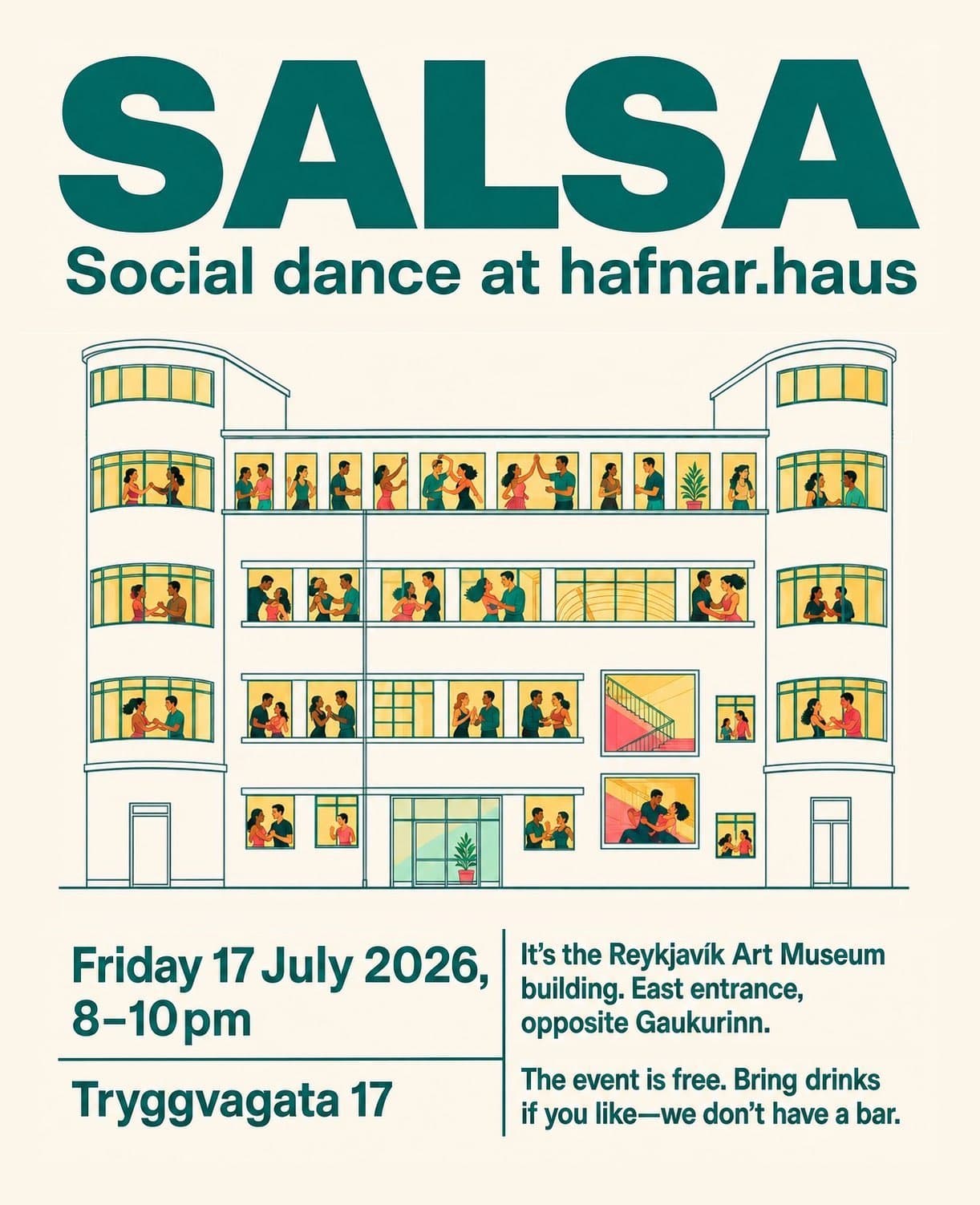
Yes, some dancers have three arms. I briefly tried to fix this via prompting, and failed. On reflection, I think it’s interesting to leave them in—an acknowledgement of the current moment, and an expression of integrity. Also fun—Where’s Wally?
I don’t love the poster—it’s a bit rigid, and lacks vibrance, dynamism, passion. But it has narrowly escaped the realm of slop.
This draft was kinda promising. If I’d made time to develop it, it might win:
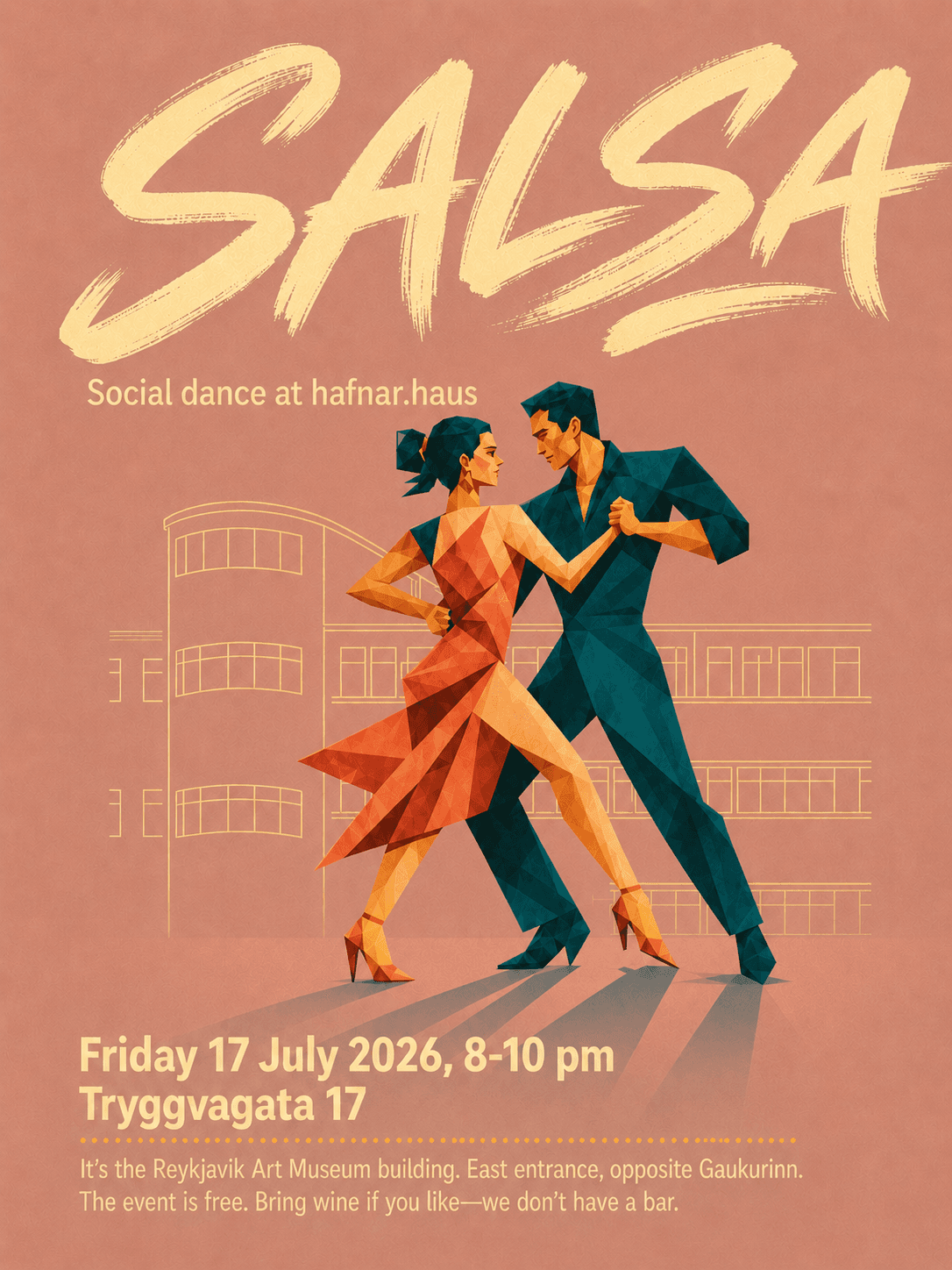
Much better is possible
I’ve barely done any image generation work. If I had some experience, and then spent a weekend working with the models to develop a custom skill, I guess I’d land on a system that makes posters that most human designers would be proud of, with perhaps 30 minutes of work per poster on my part.
Sadly, slop works
You don’t strictly need great posters to advertise a dance event. My guess is that this week’s non-slop poster will actually perform worse than last week’s slop, because it refrains from stimuli-maxxing.